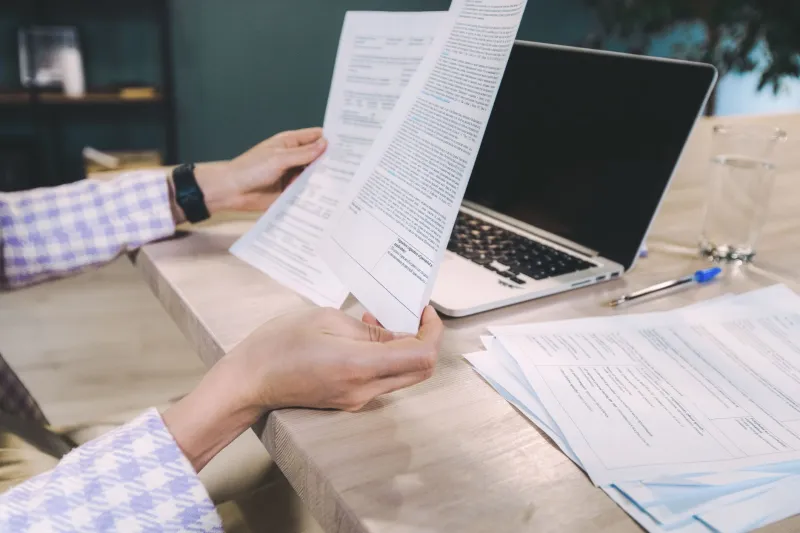
Paperwork in Paradise: The Legal Checklist Every American Renter Needs Before Signing a Phuket Lease

Let's be honest — nobody moves to Phuket to spend their afternoons in government offices. You came for the beaches, the food, and maybe a home office with a view of limestone karsts. But if you skip the legal groundwork, that dream rental can turn into a very expensive headache, fast.
Americans are used to a rental process that's pretty straightforward: apply, sign a lease, hand over a deposit, get the keys. Phuket doesn't exactly work that way. There's a whole layer of documentation — some of it required by Thai law, some of it just smart practice — that most first-timers don't know exists until something goes wrong. The good news? None of it is insurmountable. You just need to know what you're walking into.
Why Phuket Rentals Are Legally Different From Back Home
Thailand has some of the most foreigner-friendly lifestyle perks in Southeast Asia, but its property laws were not written with international renters in mind. Foreign nationals cannot own land outright in Thailand, which shapes everything downstream — including how leases are structured, who holds legal liability, and what recourse you have if a landlord decides to sell the property out from under you mid-tenancy.
Long-term leases (anything over three years) must be registered with the Land Department to be legally enforceable. Short-term leases — the kind most expats and digital nomads sign — don't require registration, but that also means they offer less protection. If your landlord decides to sell, renovate, or simply stop answering your calls, an unregistered lease gives you very limited legal standing.
This isn't meant to scare you off. Phuket has a thriving rental market with thousands of perfectly smooth transactions every year. But knowing the framework before you sit down at a signing table puts you in a much stronger position.
The Lease Agreement: What Yours Should Actually Say
A lot of rental contracts in Phuket are thin — sometimes just a page or two, written in Thai, with a quick English summary attached. That summary is not the legal document. The Thai version is. If you can't read Thai (and most of us can't), you need someone who can.
At minimum, your lease should clearly spell out:
- The full rental term and renewal conditions — vague language like "subject to negotiation" is a red flag
- Deposit terms — how much, what it covers, and the exact conditions for getting it back
- Who's responsible for repairs — appliances, structural issues, and yes, that AC unit that will inevitably struggle in August
- Early termination clauses — both yours and the landlord's
- Utility billing arrangements — some landlords mark up electricity significantly above the official government rate, which is technically illegal but extremely common
- Permission to sublet, if that's relevant to your situation
If the contract you're handed doesn't address most of these points, ask for a revised version. A landlord who refuses to negotiate basic protections is telling you something important.
Do You Actually Need a Lawyer?
Here's the real question most people are asking. The short answer: for a standard short-term rental, probably not. For anything over a year, or for a high-value property, absolutely yes.
A qualified Thai property lawyer typically charges between $100 and $300 USD for a lease review, depending on complexity. That's cheap insurance against a contract that could cost you thousands in disputes later. You don't need a big international firm for a residential lease — a reputable local attorney in Phuket who specializes in expat property matters will do the job well and won't charge Bangkok rates.
How do you avoid overpaying? A few practical tips:
- Get at least two quotes. Legal fees in Phuket vary widely. A second opinion costs you nothing but an email.
- Be specific about what you need. A lease review is a defined, limited task. Don't let it balloon into a full consultation package you don't need.
- Ask expat communities for referrals. Facebook groups for Phuket expats are genuinely useful here. Real recommendations from people who've used a lawyer recently are worth more than a Google search.
- Avoid lawyers who are also acting as brokers or agents on the same deal. Conflict of interest is a real risk in smaller markets.
The Tax and Registration Side of Things
If you're renting for income — meaning you own a property in Phuket and you're leasing it out — the legal obligations multiply. Rental income is taxable under Thai law, and foreign owners who aren't properly registered can face penalties that dwarf whatever they saved by skipping the paperwork.
Property owners need to be aware of the House and Land Tax (now folded into Thailand's Land and Buildings Tax), income reporting obligations, and in some cases, VAT registration if annual rental income crosses certain thresholds. The specifics depend on your ownership structure — individual, company, or through a Thai nominee arrangement — and each has different implications.
For renters rather than owners, the main registration concern is your TM30 filing. Landlords are legally required to report foreign tenants to immigration within 24 hours of their arrival. Many don't bother. That's technically the landlord's problem, not yours, but in practice it can complicate visa extensions if your address isn't properly registered. Ask your landlord directly whether they handle TM30 filings, and get confirmation in writing.
Your Pre-Signing Checklist
Before you put pen to paper on any Phuket rental, run through this list:
- Have you seen the Chanote (land title deed) or confirmed the property's legal ownership status?
- Is the person signing the lease the actual owner, or an authorized agent? Ask for proof.
- Has the lease been reviewed in Thai by someone you trust?
- Are the deposit terms clearly defined, including the return timeline?
- Is the electricity rate capped at the official government rate, or is there a markup?
- Does the lease address what happens if the property is sold during your tenancy?
- Has the landlord confirmed they will handle TM30 immigration filings?
- If the lease is longer than three years, is it registered with the Land Department?
- Have you done a walkthrough and documented the property's condition in writing before moving in?
None of this is particularly exotic — it's just due diligence that Americans routinely skip because Phuket feels low-stakes until it isn't.
The Bottom Line
Phuket is a genuinely wonderful place to live, work, or vacation for an extended stretch. The rental market here has options for almost every budget and lifestyle, and the vast majority of landlords are straightforward to deal with. But the legal infrastructure is different from what Americans are used to, and assuming it works the same way is how people end up losing deposits, getting locked into bad contracts, or discovering mid-lease that their home is being sold.
A little upfront investment in understanding the paperwork — and yes, sometimes hiring a lawyer for an hour or two — is the most practical thing you can do to make sure your time in Phuket stays the paradise it's supposed to be.