So You Own a Home in Phuket: Here's How to Turn It Into a Passive Income Machine From 9,000 Miles Away

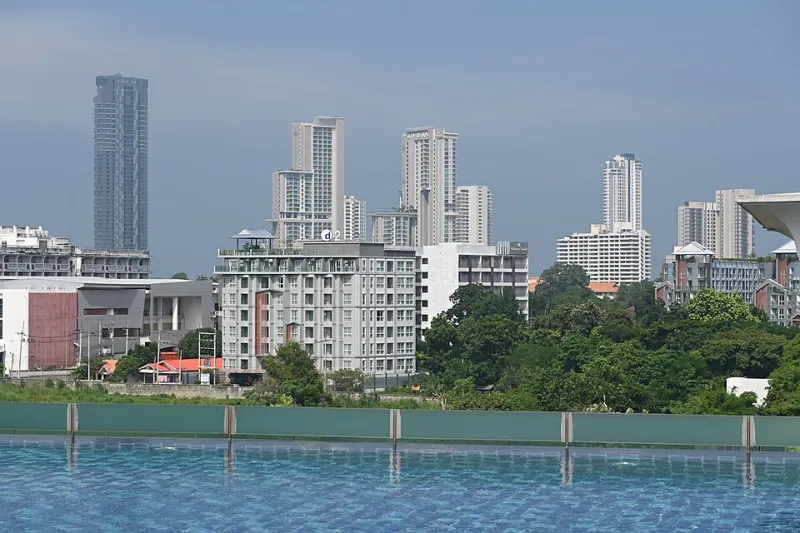
Photo: Rio Ubatay, CC BY-SA 4.0, via Wikimedia Commons
You've Got the Keys — Now What?
Maybe you bought a villa during a long stay and fell in love with the island. Maybe it was a calculated investment. Either way, you're now sitting on a property in one of Southeast Asia's most in-demand destinations, and you're wondering whether that place can pay for itself — or better yet, actually make you money — while you're back home in Austin or Atlanta.
Good news: it absolutely can. But renting out a Phuket property as an American owner comes with a unique set of moving parts that are easy to underestimate from across the Pacific. Let's break it down honestly.
Understanding Who You're Renting To (And When)
Phuket draws a genuinely global crowd. You've got European tourists flooding in from November through April, Australian families during school holidays, and a growing wave of long-stay digital nomads who want something more than a hotel room for their 30-to-90-day stint on the island.
For short-term vacation rentals, peak season runs from roughly November to April when the weather is dry and gorgeous. Expect higher nightly rates and lower vacancy during these months. The shoulder and wet seasons (May through October) tend to attract budget travelers and long-term renters — which can actually be more stable income if you price it right.
Long-term rentals (three months or more) are increasingly popular with remote workers and expat families. These guests are lower-maintenance, less likely to damage things, and provide predictable monthly income. If you're managing from abroad, long-term tenants are generally a much easier proposition than a revolving door of short-stay guests.
The Legal Reality for Foreign Property Owners
Here's where things get nuanced. Thailand has strict rules about foreign property ownership — foreigners generally cannot own land outright, though condo units in qualifying buildings can be owned in foreign name (up to 49% of total units per building). Many Americans hold property through long-term leasehold agreements or Thai-registered companies.
The structure of your ownership matters when it comes to renting. If your property is held through a company, rental income flows through that entity and is subject to Thai corporate tax. If it's a leasehold, you'll want to confirm your lease agreement explicitly permits subletting or short-term rental — not all of them do.
For short-term vacation rentals specifically, Thai law technically requires a hotel license for properties renting for fewer than 30 days at a time. Enforcement has historically been inconsistent, but it's worth understanding the risk and speaking with a local Thai attorney before you list on Airbnb or Vrbo.
What American Owners Owe the IRS
This part surprises a lot of people: the IRS doesn't care that your rental property is in Thailand. If you're a U.S. citizen or resident, you're required to report worldwide income — including rental income from your Phuket home — on your federal tax return.
The good news is that the U.S. and Thailand do not have a tax treaty, but you may still be able to claim a Foreign Tax Credit for taxes paid in Thailand, which helps offset double taxation. You'll also want to track expenses carefully — property management fees, maintenance, insurance, and depreciation can all potentially reduce your taxable rental income.
Seriously, get a CPA who has experience with expat or international real estate situations. This is not the place to wing it with TurboTax.
Remote Property Management: Your Options
Managing a rental property from the other side of the world sounds daunting, and without the right setup, it is. But Phuket has a well-developed ecosystem of property management companies — particularly in areas like Rawai, Cherng Talay, and Patong — that cater specifically to absentee foreign owners.
A good local property manager will handle guest check-ins, cleaning and maintenance coordination, minor repairs, and even listing management across platforms. Expect to pay somewhere in the range of 15% to 25% of rental income for a full-service arrangement. It's not cheap, but it's the difference between passive income and a part-time job you're doing from a different time zone.
When vetting property managers, ask for references from other foreign owners specifically. Check whether they have a dedicated maintenance team or just outsource everything. And make sure the contract is clear about who handles emergency expenses and what the approval threshold is before they spend your money.
Realistic Income Expectations
Let's talk numbers without the sales pitch. A well-located two-bedroom villa in a popular area like Nai Harn or Bang Tao can command anywhere from $100 to $250 per night on short-term rental platforms during peak season. Occupancy rates for well-managed properties tend to hover around 60% to 75% annually when you account for both peak and off-season.
Run the math: at a conservative 60% occupancy and an average of $150 per night, you're looking at roughly $32,850 gross per year before management fees, cleaning costs, platform fees, and taxes. After all that, net returns in the 5% to 8% range on property value are realistic for well-positioned homes — comparable to or better than many U.S. rental markets, with the added upside of personal use when you visit.
Long-term rentals won't hit those nightly rate highs, but a solid three-bedroom home in a family-friendly neighborhood might rent for $1,500 to $2,500 per month with minimal vacancy and far lower management overhead.
The Bottom Line
Renting out your Phuket property while living in the U.S. is genuinely doable — and potentially quite rewarding — but it rewards the prepared. Get your legal structure sorted before you list, find a property manager you actually trust, and loop in a tax professional who understands international real estate. Do those three things, and that villa in paradise can absolutely start pulling its weight.