So You Want Out: A No-Drama Playbook for Breaking Your Phuket Lease and Getting Your Deposit Back
You signed the lease with stars in your eyes. Maybe it was the infinity pool photos, or maybe you were just exhausted from apartment hunting in 90-degree heat. Either way, you're here now — staring down a contract you want out of — and you're wondering what happens next.
Breaking a rental agreement in Phuket isn't the end of the world. But it can feel that way if you don't know the local rules of the game. The good news? Plenty of Americans have navigated this exact situation and walked away with their deposits intact and their dignity mostly preserved. Here's how they did it.
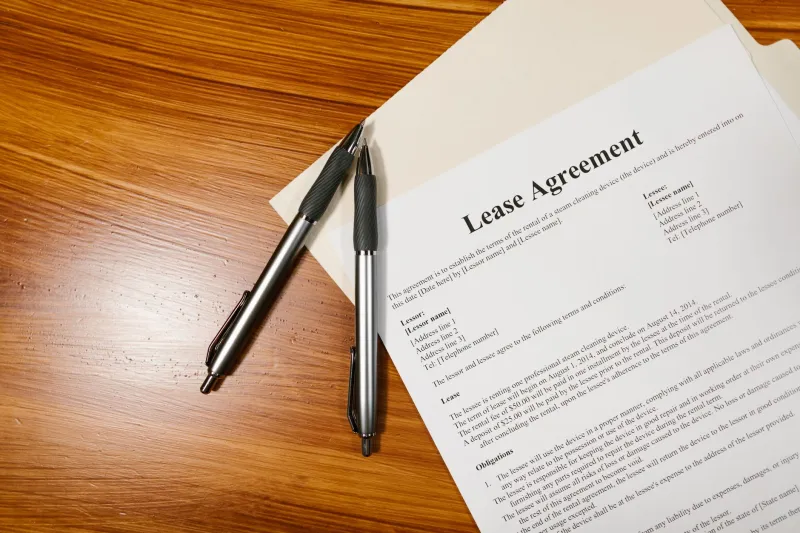
First, Understand What You Actually Signed
Before you do anything else, dig out your lease and read it like your bank account depends on it — because it probably does.
Thai rental contracts vary wildly. Some are detailed, legally tight documents drafted by professional property management companies. Others are two-page handshake agreements that a landlord's nephew typed up in 2009. The clause you're hunting for is the early termination provision — and its presence (or absence) will define your entire exit strategy.
Common traps Americans miss:
- No early termination clause at all. This sounds like freedom, but it actually means you're legally on the hook for the full lease term unless the landlord agrees otherwise.
- Forfeiture language buried in the deposit section. Some contracts state that leaving early automatically forfeits your entire security deposit, no questions asked.
- Notice requirements. Most leases require 30 to 60 days written notice. Miss that window and you may owe an extra month's rent regardless of when you leave.
- Thai-language addendums. If part of your lease is in Thai and you only read the English translation, get a bilingual friend or a local attorney to check both versions. They don't always say the same thing.
If your contract is vague or missing key clauses, that ambiguity can actually work in your favor during negotiation — but only if you approach it the right way.
Have the Conversation Early (and In Writing)
Here's the biggest mistake renters make: waiting too long to tell the landlord. The moment you know you're leaving — whether it's a job change, a family situation, or simply realizing that the street noise is never going away — start the conversation.
Do it in writing. Line app messages, WhatsApp, email — all of it counts and all of it creates a paper trail. Be polite, be clear, and lead with a specific proposed exit date. Landlords respond better to concrete timelines than to vague "I might need to leave soon" conversations.
Many Phuket landlords, especially those renting to long-term expat tenants, would rather negotiate a smooth exit than deal with a resentful renter who stops taking care of the property. Position yourself as someone who wants to make this easy for everyone.
The Deposit Standoff (And How to Win It)
Security deposits in Phuket are typically one to two months' rent, and recovering them is where things get messy. Here's what experienced expats have learned:
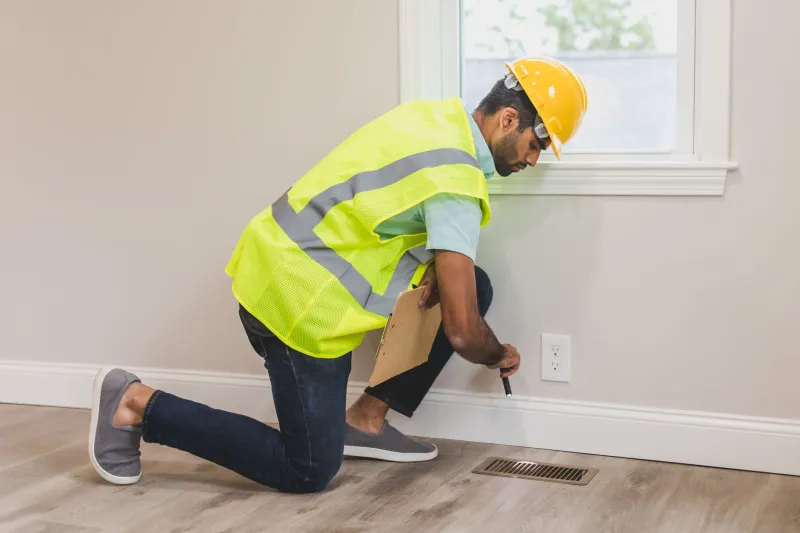
Document everything before you move out. Take timestamped photos and video of every room, every appliance, every wall. Compare them directly against the move-in photos you (hopefully) took. If you didn't take move-in photos, check your lease for any existing damage disclosures.
Request a walkthrough with the landlord present. Don't just hand over the keys and hope for the best. Walk through the property together, note anything the landlord flags, and get their comments in writing before you leave.
Know what landlords can and cannot deduct. Normal wear and tear — a scuff on the wall, minor fading from sunlight — generally isn't your financial responsibility. A broken AC unit you never reported or a mold situation you ignored? That's a different story. Thai law doesn't have the same tenant protections Americans are used to from stateside renting, but basic fairness principles still apply and landlords who want good reviews (or future referrals) tend to honor them.
Be prepared to negotiate. If the landlord wants to keep part of your deposit, counter with a specific number backed by receipts or evidence. Sometimes agreeing to forfeit one week's worth rather than fighting over the full amount is the pragmatic call — especially if you're dealing with a language barrier or a tight departure timeline.
When Things Get Genuinely Sticky
Most lease exits in Phuket resolve without drama. But occasionally you'll encounter a landlord who goes radio silent, refuses to return calls, or flat-out says they're keeping your deposit no matter what.
If that happens, your options include:
- Mediation through a local property management company. If your rental is managed by a third party, loop them in. They have relationships with landlords and a financial interest in keeping things professional.
- Legal counsel. A Thai attorney familiar with residential property law can send a formal demand letter, which often prompts a response when your messages haven't. This doesn't have to be expensive — many expat-focused lawyers in Phuket offer flat-fee consultations.
- Expat community resources. Facebook groups for Phuket expats are surprisingly useful here. Posting a measured, factual account of your situation can surface other renters who've dealt with the same landlord — and sometimes that social pressure alone moves things along.
What doesn't work: threatening, ghosting, or just stopping rent payments and daring the landlord to react. Thailand's legal system does favor landlords in many disputes, and creating conflict rarely ends in your favor.
The Graceful Exit Checklist
When you're ready to hand over the keys, run through this before you go:
- ✅ Written notice delivered within the required timeframe
- ✅ All utilities settled and final meter readings documented
- ✅ Property professionally cleaned (or at least genuinely clean)
- ✅ All keys, fobs, and access cards returned
- ✅ Move-out walkthrough completed with landlord present
- ✅ Written confirmation of deposit return timeline received
- ✅ Forwarding address provided for any remaining mail or administrative follow-up
One Last Thing
Breaking a lease in Phuket doesn't have to be a catastrophe — and it rarely is when you handle it with transparency and a little patience. The renters who lose their deposits and their cool are usually the ones who disappeared without warning or tried to play hardball with someone who knew the local system better than they did.
If your current rental situation has you looking at the exit, start here: read the contract, open a calm conversation, and document everything. The beach will still be there on the other side of it — and so will your next great Phuket rental.