Beyond the Rent Check: Surprise Costs That Catch Americans Off Guard in Phuket

You found a gorgeous villa in Rawai. Three bedrooms, private pool, mountain views — and the rent is less than what you paid for a one-bedroom in Austin. You sign the lease, wire the deposit, and start mentally decorating. Then the first month happens.
Suddenly there's a bill you didn't expect, a fee that wasn't in the contract, and a repair that somehow falls on you even though you're the tenant. Welcome to the real cost of living in Phuket — and no, it's not a scam. It's just a different system, and knowing how it works before you commit can save you a serious amount of money and frustration.
Here's the honest breakdown that experienced expats wish someone had handed them on day one.
Utilities Are Priced Differently Than You Think
Electricity in Thailand is billed through the Provincial Electricity Authority (PEA), and the government rate is actually pretty reasonable — around 4 to 5 baht per unit. But here's the catch: many landlords, especially in managed buildings or gated communities, are legally allowed to resell electricity at a markup. That rate can climb to 8 or even 10 baht per unit.
In a tropical climate where the AC runs basically all day, that difference adds up fast. A monthly electric bill that might be $60 at the government rate can balloon to $120 or more with a landlord markup. Always ask about the electricity billing arrangement before you sign — and ideally, get it in writing.
Water is typically cheap, but some properties charge a flat monthly fee regardless of usage. Internet is generally excellent and affordable in Phuket, but installation fees or router deposits at move-in can catch you off guard if you're not expecting them.
The "Common Area Fee" Nobody Warned You About
If you're renting in a condo complex or a managed villa community — which is extremely common in Phuket — there's usually a monthly common area maintenance fee (CAM fee). This covers shared pool upkeep, security, landscaping, and communal facilities.
For renters, this fee is sometimes included in the rent. Sometimes it's not. And sometimes it's partially included but the landlord passes through unexpected special assessments when the building needs a new roof or a pump replacement. In the US, HOA disclosures are a standard part of any real estate transaction. In Phuket, you need to ask the right questions yourself.
For property owners renting out a unit, these fees don't stop when the property sits vacant. You're paying them whether or not you have a tenant. That's a fixed cost most American owners underestimate when projecting their rental income.
Currency Fluctuation Is a Real Budget Risk
The Thai baht versus the US dollar relationship has been relatively stable historically, but "relatively stable" still means movement. A swing of even 3 to 5 percent can meaningfully affect your monthly housing budget if you're converting dollars to pay rent.
For renters earning in dollars and paying rent in baht, a stronger dollar is great news. But the reverse stings. Some landlords price long-term rentals in US dollars to protect themselves — which actually helps renters lock in predictable costs but removes any upside if the dollar strengthens.
For American property owners collecting rent in baht and repatriating funds to the US, the timing of transfers matters. Using a service like Wise (formerly TransferWise) instead of a traditional bank wire can save you 2 to 4 percent per transfer — which, over a year, is real money.
Your US Insurance Doesn't Cross the Pacific
This one surprises almost everyone. American homeowners insurance policies — even comprehensive ones — typically offer zero coverage for property located outside the United States. If you own a rental property in Phuket, you need a separate Thai insurance policy. Full stop.
The good news is that property insurance in Thailand is genuinely affordable. A solid policy covering fire, flood, and theft for a mid-range villa can run $300 to $600 per year. The bad news is that many American owners don't find this out until after something goes wrong.
For renters, the equivalent of renter's insurance exists in Thailand but isn't widely marketed to expats. Your US renter's policy almost certainly doesn't cover belongings in a foreign country. If you're moving valuables to Phuket — electronics, jewelry, camera gear — look into an international personal property policy or a travel insurance plan with extended coverage.
Maintenance: Who Pays for What Is Genuinely Murky
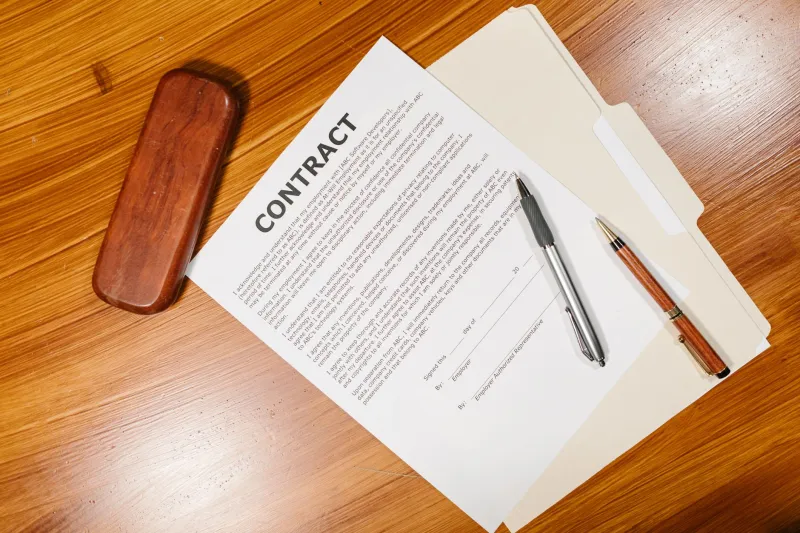
Thai lease agreements are not always as detailed as what Americans are used to. The division of maintenance responsibility between landlord and tenant can be vague, and local norms don't always match American expectations.
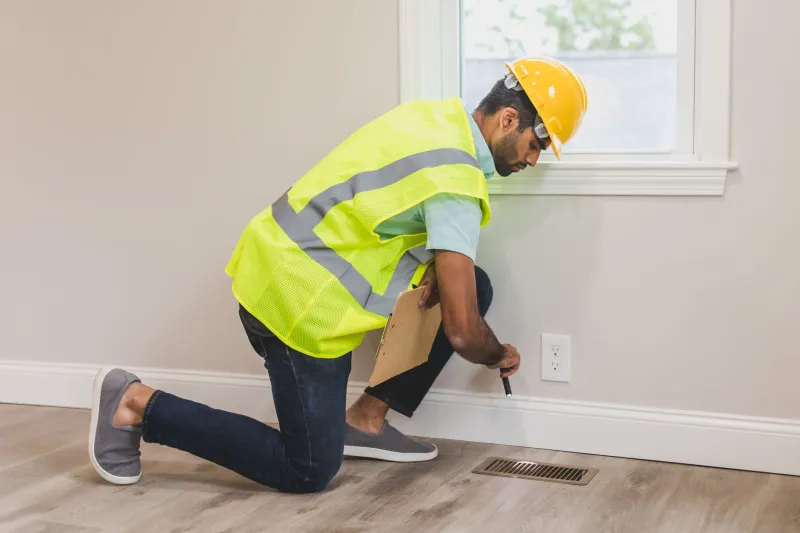
Generally speaking, major structural repairs and appliance replacements fall to the landlord. Minor repairs and day-to-day maintenance often fall to the tenant — including things like AC filter cleaning, pest control, and small plumbing fixes. In a humid tropical environment, these "minor" items come up constantly.
AC servicing in particular is a recurring cost. Units should be cleaned every one to three months in Phuket's climate, and if you skip it, the system degrades fast. Depending on your lease, this might be your expense. Budget around $30 to $60 per unit per service visit.
Pool maintenance for private villas is another big one. If your gorgeous rental includes a private pool, find out whether the service is included in your rent or billed separately. Weekly pool service typically runs $80 to $150 per month.
Local Fees and Move-In Costs You Might Not Expect
Some properties require a TM30 registration filing — a Thai immigration requirement where your landlord notifies authorities of your address. Landlords are supposed to handle this, but some charge a small administrative fee. It's not a scam, just a bureaucratic reality.
Security deposits in Phuket are typically one to two months' rent, similar to the US. But some landlords also require a "key money" payment — essentially a premium for securing a desirable unit. This practice is more common in commercial leases but occasionally pops up in residential rentals too. It's negotiable, and you should push back.
Move-in costs can also include utility connection fees, especially in newer developments or rural properties connecting to the grid for the first time.
The Real Number to Budget For
Experienced expats in Phuket generally recommend adding 20 to 30 percent on top of your base rent when calculating your true monthly housing cost. That buffer covers utilities, common fees, routine maintenance, and the occasional surprise.
If you're a property owner, building that same buffer into your expense projections — rather than treating the rent collected as pure profit — will give you a much more accurate picture of your actual returns.
Phuket is still an extraordinary value compared to most American cities. But the magic of low rent works best when you go in with clear eyes about what's actually included. The expats who thrive here are the ones who asked the uncomfortable questions before signing — not after.
Browse current long-term rental listings at houseforrent-phuket.com and reach out to property managers who can walk you through exactly what's included before you commit.