Don't Ship That Sofa: The Real Cost of Furnishing a Phuket Rental (And Why Furnished Wins Almost Every Time)
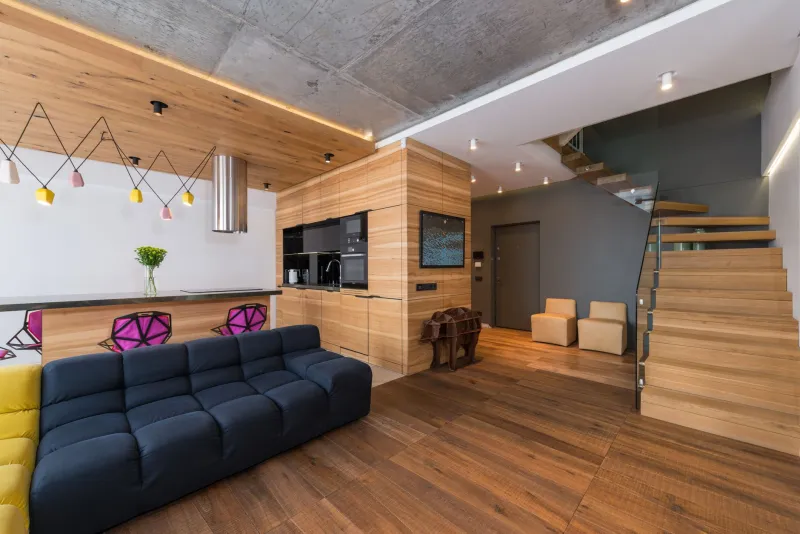
So you've found a gorgeous unfurnished villa in Rawai. High ceilings, a private pool, the kind of place you'd screenshot and send to your friends back in Chicago just to make them jealous. The rent is a steal compared to a fully furnished unit down the street. You're already mentally arranging furniture.
Stop right there.
Before you start measuring rooms and adding things to your cart, let's talk about what furnishing a rental in Phuket actually involves—because it's nothing like setting up an apartment in Austin or Seattle. There are import duties, cultural landmines buried in your lease, and a surprisingly expensive local furniture market that catches Americans completely off guard.
The Import Fantasy (And Why It Falls Apart Fast)
Let's get the most common misconception out of the way first: you cannot just ship your furniture from the States and call it a day. Well, technically you can, but the numbers make it almost laughably impractical.
Thailand levies import duties on household goods that arrive separately from a relocating resident, and the paperwork alone is a headache. Even if you qualify for a duty exemption as a long-term resident, you're looking at freight costs, customs brokerage fees, potential storage charges, and weeks of waiting. Shipping a modest living room set from the US to Phuket can run anywhere from $3,000 to $8,000 depending on volume and routing—before a single Thai baht of duty is assessed.
And then your beloved mid-century modern sofa arrives with a humidity problem, because nobody warned you that Phuket's tropical climate is genuinely brutal on certain materials. Leather cracks. MDF swells. That sleek Scandinavian shelving unit you loved in Portland starts looking pretty rough after one rainy season.
Buying Local Sounds Simple. It Isn't.
Okay, forget importing. You'll just buy locally, right? Phuket has furniture stores. Problem solved.
Not quite. The local furniture market in Phuket is a mixed bag. You've got a handful of mid-range stores carrying decent quality pieces, some high-end imported showrooms with eye-watering price tags, and a whole lot of cheap stuff that won't survive two years of tropical humidity and heavy use. There's no IKEA in Phuket—the nearest one is in Bangkok, and having flat-pack furniture shipped down to the island adds both cost and complication.
Furnishing even a modest two-bedroom villa from scratch—beds, mattresses, sofas, dining table, kitchen basics, wardrobes, air conditioning units if they're not included, water heaters—can easily run $5,000 to $12,000 USD. For a larger three- or four-bedroom villa? You could be looking at $15,000 or more if you want quality pieces that will actually last.
And here's the kicker: when your lease ends, you have to figure out what to do with all of it.
The Wear-and-Tear Dispute You Didn't See Coming
This is where things get genuinely tricky for American renters, and it's something most people don't think about until they're standing in front of a landlord arguing over a scratched coffee table.
Thai landlords and American renters often have very different ideas about what constitutes "normal wear and tear." In the US, most renters understand that scuff marks on walls, minor carpet wear, and small nail holes are expected after a year or two of living somewhere. Thai landlords—particularly those renting to foreign tenants—sometimes have a stricter interpretation, especially when the tenant has brought in their own furniture and the landlord is assessing damage to the property itself.
If you've brought your own furniture in, disputes can get complicated fast. Did your bookshelf scratch the tile floor? Did your dining table leave marks on the terrace? Is the landlord claiming your furniture caused damage to built-in elements of the property? These conversations happen, and without clear lease language, they can eat into your security deposit in ways that feel completely arbitrary.
Here's the move: if you're renting unfurnished and bringing in your own stuff, document everything before you move a single piece of furniture in. Photos, video walk-throughs, a written inventory signed by both parties. This isn't paranoia—it's just smart renting anywhere in the world, and it's especially important in a market where communication across language and cultural barriers adds another layer of complexity.
Negotiating Furniture Clauses Like You Mean It
If you're set on an unfurnished unit, your lease negotiation matters more than you think. A few things worth pushing for:
An itemized move-in condition report. Get the state of the property documented in writing before you take possession. If possible, have it signed by both you and the landlord or their agent.
Clarity on what "damage" means. Ask explicitly what the landlord considers damage versus normal use, and try to get it written into the lease. Vague language is your enemy.
A furniture addendum. If you're bringing significant furniture, consider adding a clause that specifies you're not responsible for any floor or wall damage that results from normal furniture placement—or negotiate a slightly lower deposit that reflects the fact that you're bearing the furnishing costs yourself.
Exit terms for your furniture. Who's responsible for removing your furniture when you leave? In some cases, landlords have refused to return deposits until the property was completely cleared, which can mean last-minute scrambling to sell or donate pieces you can't take with you.
The Furnished Unit Math (Spoiler: It Usually Wins)
Let's run a quick comparison. Say an unfurnished three-bedroom villa rents for $1,500/month, and a comparable furnished unit goes for $1,900/month. That $400/month difference looks appealing—until you factor in $10,000 to furnish the place yourself.
At $400/month in "savings," it takes 25 months just to break even on your furniture investment. And that's assuming nothing breaks, no deposit disputes arise, and you can recoup some value when you leave. For most renters on one- or two-year leases, the furnished unit is almost always the better financial decision.
Furnished rentals in Phuket also tend to come with the practical stuff already sorted: air conditioning units (a non-negotiable in this climate), water heaters, basic kitchen equipment, and often a washing machine. These aren't luxuries—they're essentials that add up fast if you're buying them yourself.
When Unfurnished Actually Makes Sense
There are scenarios where going unfurnished is the right call. If you're committing to a multi-year stay, have significant personal belongings you're relocating with, or you're renting a property that you also intend to list as a vacation rental (and want full control over the furnishing aesthetic), the calculus shifts. Long-term residents who are genuinely putting down roots sometimes prefer the unfurnished route for the flexibility and personal feel it allows.
But for most Americans arriving in Phuket for a year or two of remote work or semi-retirement living? The furnished path is smoother, cheaper upfront, and comes with far fewer headaches.
The Bottom Line
Phuket's rental market has no shortage of beautifully furnished villas and condos that are ready to live in from day one. Before you convince yourself that an unfurnished unit is a bargain, do the full math—furniture costs, customs headaches, climate considerations, deposit risks, and exit logistics. Nine times out of ten, the furnished unit wins.
Your dream home in paradise is out there. Just make sure it already has a couch in it.