How to Haggle Your Way to a Better Phuket Rental (Without Burning Any Bridges)
Let's get one thing straight: in Phuket's rental market, the listed price is almost never the final price. That's not a knock on landlords — it's just how the culture works. Negotiation is baked into the process, expected by both sides, and honestly kind of fun once you know the rules. The problem is that most Americans show up, see a number, and either pay it without question or push too hard and blow the deal entirely.
Neither extreme works here. What does work is understanding the unspoken etiquette, reading the room, and knowing exactly when you have leverage — and when you don't.
First, Understand Who You're Actually Dealing With
A lot of Phuket rentals aren't managed by faceless corporations. You're often negotiating directly with a Thai family who owns the property, or a small-time landlord who maybe has two or three villas they rent out seasonally. That changes everything about how you should approach the conversation.
Thai culture places enormous value on maintaining face — both yours and theirs. That means aggressive, Western-style hardball negotiating (think: "I've seen three similar places cheaper, take it or leave it") tends to backfire badly. You might technically "win" the negotiation and still lose, because a landlord who feels disrespected will find creative ways to be an unhelpful neighbor for the rest of your stay. Maintenance requests mysteriously take longer. Lease renewals become awkward. The relationship sours.
The goal isn't to crush the negotiation. It's to reach a number both sides feel good about.
Know When You Actually Have Leverage
Timing matters more than almost anything else when it comes to negotiating a Phuket rental. The island has two very distinct rental seasons, and your bargaining power swings wildly between them.
High season (roughly November through April) is when demand peaks, villas fill up fast, and landlords have waiting lists. Trying to negotiate hard during this window is an uphill battle. You can still ask — and should — but expect smaller discounts, maybe 5–10% off the asking price if you're lucky.
Low season (May through October) flips the dynamic completely. Occupancy drops, some landlords go months without reliable tenants, and suddenly that "firm" price becomes very flexible. This is when Americans willing to commit to a longer stay — say, three to six months — can realistically negotiate 15–25% off monthly rates, sometimes more. Landlords would rather have a stable, vetted tenant paying slightly less than an empty property.
The sweet spot? Arriving just as high season winds down in late April or early May. Landlords are watching bookings thin out and are psychologically primed to lock in a dependable renter before the slow months hit.
The Extras Are Often Easier to Win Than the Price
Here's a trick experienced expats swear by: if a landlord won't budge much on the monthly rate, pivot to negotiating the terms instead. Things like:
- A free first month as a move-in incentive
- Utilities included up to a certain amount (electricity in Phuket can be genuinely expensive, especially if you're running AC all day)
- A longer grace period before rent is due each month
- Maintenance agreements in writing — who pays for what if something breaks
- Discounted or waived security deposit if you can show proof of stable income or prior rental history
Landlords often have more flexibility on these line items than they do on headline rent. And from your perspective, free utilities or a waived deposit can be worth hundreds of dollars — sometimes more than the discount you were chasing in the first place.
What to Actually Say (Across the Language Barrier)
You don't need to speak Thai to negotiate respectfully. Most landlords dealing with foreign renters either speak conversational English themselves or work with an agent who does. A few phrases and approaches that consistently land well:
"I really love this place. I'm very serious about renting long-term. Is there any flexibility on the monthly rate if I commit to six months?"
This works because it signals genuine interest (no landlord wants to waste time on a tire-kicker), communicates financial stability, and frames the ask around a longer commitment — which is genuinely valuable to them.
"I've looked at a few places in the area. Would you consider [X amount] per month?"
Notice this doesn't trash the competition or make ultimatums. It's just a calm, reasonable counter. Leave a little room — if you want to land at $1,200/month, open at $1,050 so there's space to meet in the middle.
"What's the best you can do if I pay three months upfront?"
Cash flow matters to small landlords. Offering several months of rent in advance is a powerful chip, especially during low season. Many will knock 10–15% off the monthly rate for the certainty of it.
Always smile. Seriously. It sounds cheesy, but warmth goes a long way here. A friendly, patient tone signals respect and makes the whole exchange feel collaborative rather than adversarial.
Red Flags Worth Walking Away From
Negotiating well also means knowing when the deal isn't worth closing. Watch out for:
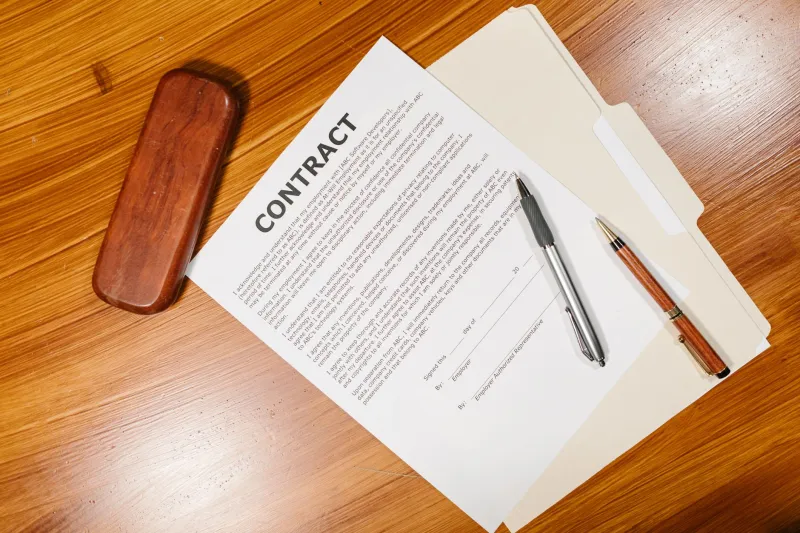
- Landlords who refuse to put anything in writing. Verbal agreements are common in casual rentals, but for anything longer than a month, you need a written contract. Full stop.
- Prices that drop suspiciously fast. If a landlord slashes 40% off the asking price the moment you show hesitation, that's worth questioning. Either the property has problems they're eager to paper over, or the original price was inflated purely to create the illusion of a deal.
- Vague utility arrangements. "You just pay what you use" sounds fine until your electricity bill comes in at $300 because the AC unit is ancient and inefficient. Get specifics.
- No clear maintenance policy. Who handles a broken water heater? What about a leaking roof during monsoon season? These things happen, and you want answers before you sign.
The Long Game Pays Off
The renters who consistently get the best deals in Phuket aren't the ones who negotiate the hardest on day one. They're the ones who show up prepared, treat the relationship like it matters, and stay long enough to earn the kind of landlord loyalty that leads to below-market renewals, first access to better properties, and the sort of flexibility that never makes it into any listing.
Phuket's rental market rewards people who play it smart and play it respectfully. Go in with realistic expectations, bring a little patience, and remember that the goal is a home you actually love — not just a price you technically won.
When you're ready to start browsing properties and putting these skills to use, houseforrent-phuket.com is a solid place to start. Find your shortlist, do your homework on the neighborhood and season, and walk into that first conversation ready to make a deal that works for everyone.