Condo, Villa, or Bungalow? A Real Talk Guide to Choosing Your Phuket Rental
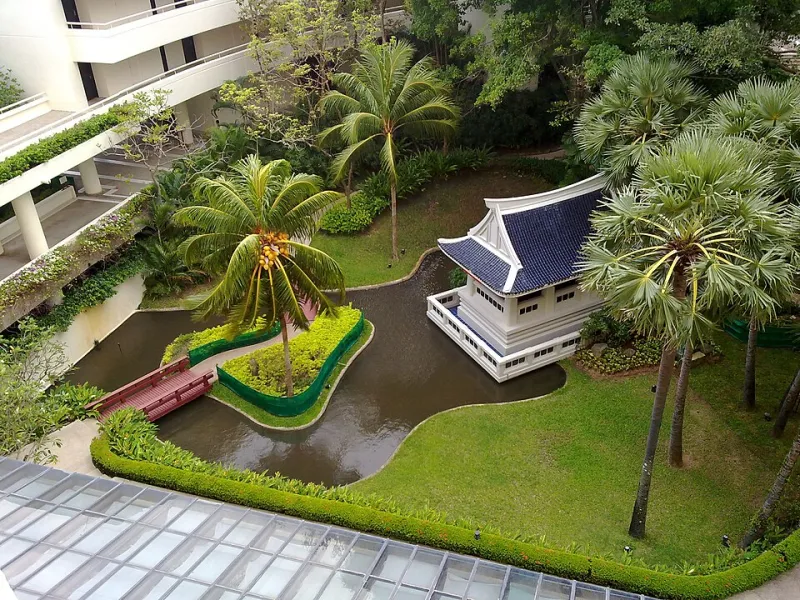
Photo: Romil Lehakra, CC BY 3.0, via Wikimedia Commons
Browsing Phuket rentals for the first time is a little overwhelming. You've got sleek high-rise condos in Patong, sprawling private villas tucked into hillsides above Rawai, and rustic beachfront bungalows on the quieter northern shores. They all look amazing in photos. But photos don't tell you that the villa requires you to manage your own pool maintenance, or that the condo building has a gym and a rooftop bar where you'll meet half your social circle within a week.
The right rental type for you depends way more on your lifestyle than your budget. Let's get into what daily life actually looks like inside each option — and who each one is really right for.
The Condo: Urban Convenience With a Tropical Twist
If you're coming from a major US city, a Phuket condo will feel the most immediately familiar. You've got a managed building, shared amenities, and neighbors you might run into in the elevator. The main difference is that the pool on the 10th floor overlooks palm trees and, if you're lucky, the Andaman Sea.
Condos in Phuket are typically found in or near the more developed areas — Patong, Kata, Karon, Phuket Town — and they range from compact studio units to spacious two-bedroom apartments with modern finishes. Most include air conditioning, a fitted kitchen, and access to shared facilities like a gym, pool, and sometimes a co-working space.
Who thrives in a condo: Digital nomads and solo renters tend to do really well in condos. The built-in community factor is significant — it's genuinely easy to meet people, especially in buildings popular with expats and long-termers. Maintenance is largely hands-off; if something breaks, you call the building manager. For Americans used to apartment living, the transition is smooth.
The hidden costs to watch: Monthly fees (common area maintenance charges) are usually separate from rent and can add $50–$150/month depending on the building. Check whether utilities are included or metered separately, and ask about parking if you're planning to rent a scooter or car.
The trade-off: Privacy and space. You're sharing walls, elevators, and pool time with strangers. If you need quiet for deep work or you're moving with a family and want room to breathe, the condo lifestyle can start to feel cramped.
The Villa: Space, Privacy, and a Longer To-Do List
Villas are where Phuket's rental market gets genuinely extraordinary. For a price point that would barely rent you a one-bedroom in Los Angeles, you can have a three-bedroom private villa with your own pool, an open-plan living area, a tropical garden, and a mountain or sea view that makes your video call backgrounds look unrealistically good.
We talked to Marcus, an American software developer who relocated from Austin to a villa in Chalong. "I was paying $2,200 a month for a one-bedroom apartment back home," he told us. "Here I have three bedrooms, a private pool, and a housekeeper who comes twice a week. The math made me feel a little insane."
That said, villa life comes with real responsibilities that condo living doesn't.
Maintenance is your problem (kind of). Most villa leases include a property manager or landlord contact, but day-to-day upkeep — pool chemistry, garden care, pest control — often falls to the tenant to coordinate, even if someone else physically does the work. If you're not handy or organized, minor issues can snowball.
Isolation is real. Villas are often set away from commercial areas, up hillside roads or behind residential gates. That privacy is a selling point until you realize the nearest coffee shop is a 15-minute scooter ride and you haven't spoken to another English speaker in four days. For extroverts or people new to expat life, villas can amplify loneliness in ways that catch people off guard.
Who thrives in a villa: Couples, families, or remote workers who are self-sufficient and already have a social network (or are actively building one outside the home). If you work from home and value quiet, space, and the ability to take a swim between meetings without sharing a lane, a villa is genuinely life-changing.
The Beachfront Bungalow: Romance With Rough Edges
Bungalows occupy a special category in Phuket's rental ecosystem — they're the most "live in Thailand" option of the three, and they're not for everyone. Picture a low-slung, often wooden structure situated close to the beach, usually in less developed areas like Mai Khao, Nai Yang, or parts of the east coast near Ao Por.
The appeal is obvious. You wake up to the sound of waves. You walk to the beach in flip-flops. The vibe is relaxed, the surroundings are beautiful, and the rent is often the lowest of the three property types for the square footage you get.
But here's what the Instagram posts leave out. Beachfront properties deal with salt air corrosion, sand in everything, and higher humidity levels that accelerate wear on furniture and electronics. Older bungalows in particular can have inconsistent plumbing, spotty Wi-Fi (a dealbreaker for remote workers), and limited storage. The proximity to the ocean also means bug management is an ongoing reality.
Sarah, a freelance graphic designer from Portland who spent eight months in a bungalow near Nai Yang, put it plainly: "It was the most beautiful place I've ever lived and the most high-maintenance. I loved it, but I also spent a lot of time dealing with things that just... broke. You have to be okay with that."
Who thrives in a bungalow: Travelers at heart who want an immersive, low-key experience and aren't dependent on fast, reliable internet for work. People who genuinely don't care about modern finishes and prefer character over convenience. Short-term renters staying a month or two will often find bungalows charming; long-termers need to go in with eyes open.
Matching Rental Type to Real Life
Here's a quick gut-check framework before you commit:
- New to Phuket, want to meet people fast? Start with a condo in a social building near Kata or Patong. You can always upgrade to a villa once you've got your bearings.
- Couple or family, need space and privacy? A villa in Rawai, Chalong, or the hills above Kamala will likely be your sweet spot.
- Short-term stay, beach-obsessed, budget-conscious? A bungalow on the quieter north or east coast could be a genuinely memorable experience — just vet the internet speed before you sign.
- Remote worker with calls all day? Prioritize reliable fiber internet above almost everything else. Many newer condos and villas advertise this; bungalows are more hit-or-miss.
No rental type is objectively better. They just suit different people at different stages of expat life. The good news is that Phuket's rental market is flexible enough that you can try one, learn what you love and what drives you crazy, and switch it up on your next lease. That kind of low-stakes experimentation is one of the quiet joys of building a life here.