What Your American Home Insurance Won't Touch (And How to Actually Protect Your Phuket Rental Property)
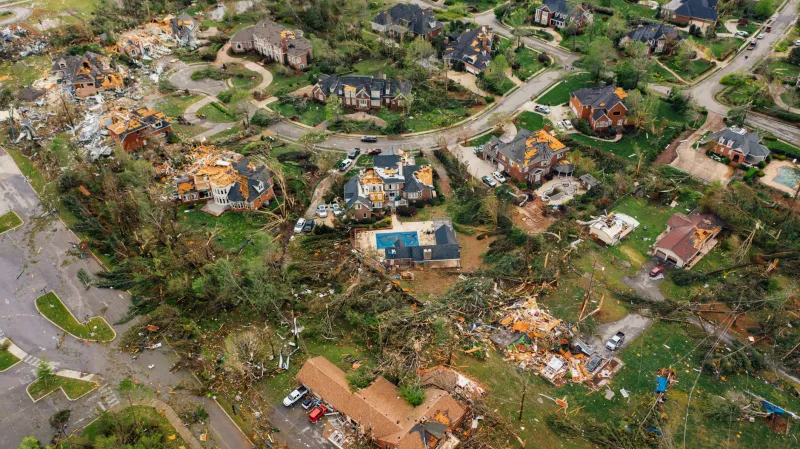
Let's start with a scenario that's not hypothetical. A property owner in Austin, Texas gets a WhatsApp message at 6 a.m. on a Tuesday. There's been a serious storm overnight in Phuket. A tree came down on the villa's carport, water got into two bedrooms, and the tenants are asking who to call. The landlord pulls up their home insurance app, starts to file a claim—and then realizes, slowly, that their American policy hasn't covered that property in Thailand for a single day since they signed the rental agreement.
This is one of the most common—and most expensive—mistakes American property owners make when renting out homes in Phuket. The insurance gap is real, it's wide, and it can turn a profitable rental into a financial catastrophe.
So let's talk about how to actually protect yourself.
Why Your U.S. Homeowner Policy Is Dead Weight Here
If you own a home in Phuket and you still think your State Farm or Allstate policy has you covered, you need to stop and read this carefully. Standard American homeowner insurance is geographically limited. It covers properties located in the United States. Full stop. The moment your investment property sits on Thai soil, you're operating without a net—regardless of what you're paying in premiums back home.
Beyond geography, there's also the landlord-specific coverage issue. Even if you somehow had a U.S. policy that stretched internationally (which, again, it doesn't), most homeowner policies exclude rental activity. The minute you're collecting rent, you need a landlord policy—not a homeowner policy. These are different products with different protections.
And then there's liability. If a tenant slips on your wet tile floor during rainy season and decides to pursue damages, you want to make sure you have coverage that's recognized within Thailand's legal system. A U.S. umbrella policy won't do that job.
What Thai Property Insurance Actually Covers
Thailand has a functioning private insurance market, and getting a local policy is not as complicated as most foreign owners assume. Thai insurers offer fire insurance, all-risk property insurance, landlord liability coverage, and even loss-of-rent provisions that kick in when a covered event makes the property temporarily uninhabitable.
The most commonly recommended baseline for rental property owners is an "all-risk" policy, which covers fire, flooding, theft, storm damage, and sometimes earthquake or subsidence. These policies are issued by Thai insurance companies and are underwritten to Thai legal standards—which matters enormously if you ever need to file a claim.
Costs are generally reasonable. Depending on the property's value, construction type, and location, annual premiums on a well-structured policy can run anywhere from $300 to $1,200 USD equivalent. That's not nothing, but it's a fraction of what a single uninsured claim could cost you.
One expat landlord based in Portland, Oregon who owns a three-bedroom villa near Rawai put it bluntly: "I went two years without a Thai policy because I kept telling myself I'd figure it out later. Then I had a burst pipe during high season that destroyed the floors in two rooms. Out of pocket, it cost me almost $8,000 and I lost six weeks of rental income. I have a Thai policy now. It's the first bill I pay every year."
Navigating the Thai Insurance System From Abroad
Here's where remote landlords tend to hit a wall: finding and managing a Thai insurance policy when you're sitting in Denver or Nashville is genuinely tricky. Most Thai insurers don't have English-language websites, and the claims process can require documentation that needs to be filed locally.
The practical solution most experienced expat landlords use is a combination of two things: a local property manager and an insurance broker who specializes in foreign-owned properties.
A good property manager in Phuket—and there are several reputable ones who work specifically with overseas owners—can coordinate your insurance on your behalf. They'll handle the annual renewal, communicate with the insurer if something goes wrong, and make sure documentation is gathered properly after any incident. Think of them as your boots on the ground for everything administrative.
For finding the right coverage in the first place, look for insurance brokers in Thailand who advertise services for expats and foreign property owners. Several operate in English and can walk you through policy options, exclusions, and claims procedures in plain language. Some even offer digital policy management, which means you can access your documents from anywhere.
The Liability Question Nobody Wants to Think About
Property damage is one thing. Tenant or guest liability is another beast entirely.
If you're renting short-term through platforms like Airbnb, your exposure is different than if you have a long-term tenant. Short-term guests are more likely to have accidents, and the property sees more wear, more foot traffic, and more unpredictable use. Some Thai insurers offer specific short-term rental endorsements, while others exclude vacation rental activity entirely from standard landlord policies—so you need to ask the question directly before you sign anything.
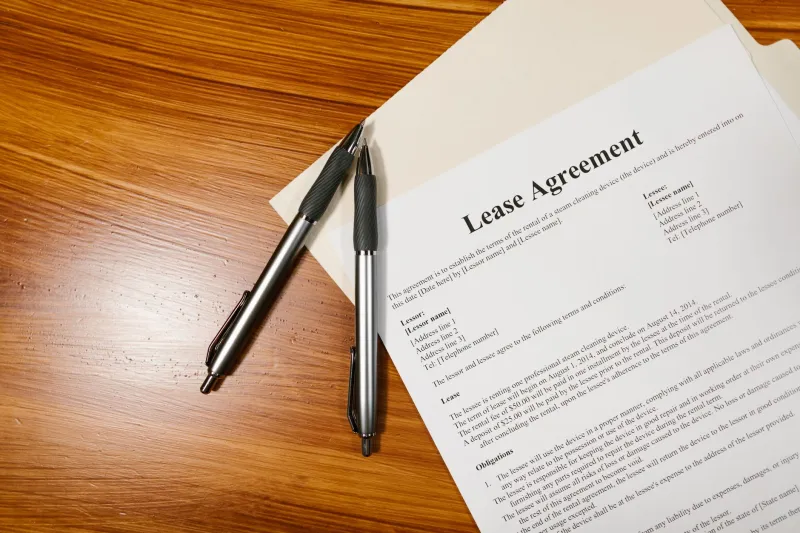
For long-term tenants, liability gaps are a little easier to manage, but they still exist. Make sure your lease agreement—ideally drafted or reviewed by a Thai attorney—includes clear language about tenant responsibilities for maintaining the property and reporting damage. This doesn't replace insurance, but it does give you a paper trail if a dispute escalates.
One landlord from Chicago who's been renting out a Patong-area condo for four years shared this: "I had a tenant who flooded the bathroom of the unit below mine. The building management came after me immediately. Because I had landlord liability coverage through a Thai insurer, I was protected. Without it, I'd have been personally on the hook for another owner's damages."
Monsoon Season Is Not a Force Majeure Excuse
If you've spent any time researching Phuket, you know the island has a distinct wet season that runs roughly May through October. During peak rainy months, flooding, wind damage, and power surges are real risks—not theoretical ones. Yet many landlords treat these as unpredictable acts of God rather than foreseeable events worth insuring against.
Some Thai policies include specific monsoon or flood endorsements. Others exclude flooding entirely unless you purchase a rider. This is a detail worth clarifying upfront, especially if your property is in a low-lying area or near a drainage-challenged road.
Ask your broker directly: does this policy cover storm-related flooding? What's the claims process if the property is inaccessible? What documentation will I need? Getting those answers before the rainy season starts is a lot easier than trying to get them while your property manager is sending you photos of water damage.
A Simple Framework to Get Started
If you're an American landlord renting out a Phuket property and you don't yet have a local Thai insurance policy, here's a basic action plan:
- Hire a local property manager who can coordinate insurance and handle claims on your behalf.
- Find an expat-friendly insurance broker in Thailand who works in English and understands foreign ownership structures.
- Get an all-risk landlord policy that explicitly covers your rental activity, flood damage, and liability.
- Review your lease agreement with a Thai attorney to make sure tenant responsibilities are clearly defined.
- Set a calendar reminder for annual renewal so coverage never lapses.
It's not glamorous work. But the landlords who've been doing this the longest will tell you the same thing: the ones who skip insurance are the ones who eventually get a very expensive lesson in why it matters.
Your Phuket property is an asset worth protecting. Don't leave it exposed just because it's easier to deal with from across the Pacific.